
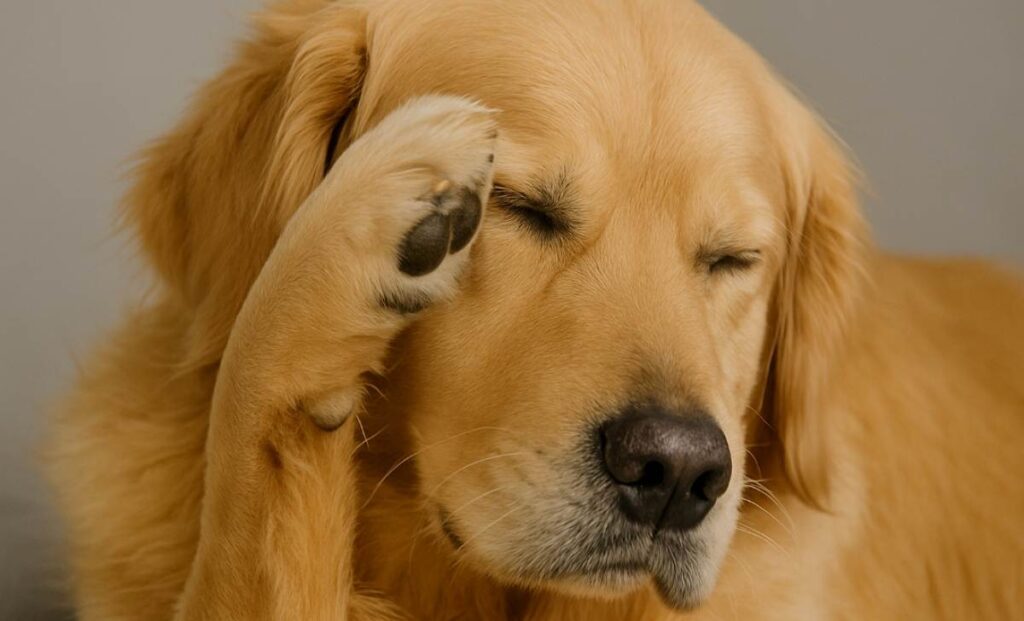
10. Lack of Interest in Favorite Activities
Every pet parent knows the joy of seeing their dog wag its tail for a walk, chase a ball, or jump with excitement at playtime. That’s why it’s alarming when a once-active dog suddenly refuses walks, avoids stairs, or loses interest in toys they used to love.
A lack of interest in activities is more than just “slowing down with age.” Often, it’s a sign of pain, discomfort, or underlying illness. Just like humans, when dogs don’t feel well, their energy and motivation decline.
Why Dogs Lose Interest in Activities
- Pain or Injury – Arthritis, hip dysplasia, or joint injuries can make movement uncomfortable.
- Spinal or Nerve Issues – Problems like slipped discs may make climbing or running painful.
- Chronic Illness – Conditions affecting the heart, lungs, or organs drain energy.
- Emotional Health – Stress, depression, or anxiety can reduce enthusiasm.
- Age-Related Decline – While older dogs may naturally slow down, it should never be assumed without ruling out medical problems.
Warning Signs to Watch For
- Refusing walks or stopping frequently on short walks.
- No longer jumping on the couch, bed, or into the car.
- Ignoring toys, fetch, or games they previously loved.
- Hesitating at stairs or avoiding them altogether.
- Sleeping more and engaging less with family members.
If these changes are sudden or severe, it’s often linked to pain or health issues—not just old age.
What You Can Do
- Rule Out Injury – Check for limping, stiffness, or sensitivity to touch.
- Encourage Gentle Movement – Try short, slow walks or swimming (a low-impact exercise).
- Track Behavior Changes – Write down when your dog avoids activities and what else is happening.
- Visit the Vet – A thorough exam can help distinguish between age-related slowdown and treatable pain.
Treatment & Long-Term Management
Vets may recommend:
- Pain relief medication for arthritis or injuries.
- Physical therapy or hydrotherapy to maintain mobility.
- Weight management to ease pressure on joints.
- Alternative therapies like acupuncture or laser treatment for chronic pain.
- Lifestyle adjustments—ramps for stairs, orthopedic beds, or shorter play sessions.
Tools That Help Detect Dog Pain
- Pain Scales for Dogs – Many vets use tools like the Glasgow Pain Scale to assess discomfort in dogs. You can ask your vet about this.
- Dog Activity Trackers – Wearables like FitBark help monitor sleep, movement, and energy sudden changes may signal pain.
When Should You Call a Vet Immediately?
Call your vet if you notice any of these in combination:
- Limping with swelling or bleeding
- Vomiting or diarrhea with signs of pain
- Refusal to eat or drink for 24+ hours
- Changes in breathing or consciousness
How to Comfort a Dog in Pain (Before the Vet Visit)
- Provide a soft, quiet place to rest
- Avoid handling the painful area
- Use calming music or anxiety wraps
- Keep them hydrated
- Never give human medication like ibuprofen or paracetamol—they are toxic to dogs
Preventing Pain in Dogs
- Regular checkups and dental cleanings
- Maintain a healthy weight to avoid joint stress
- Use orthopedic beds for older dogs
- Feed high-quality food and add joint supplements
- Keep up with flea, tick, and worm prevention
1 Comment
That