
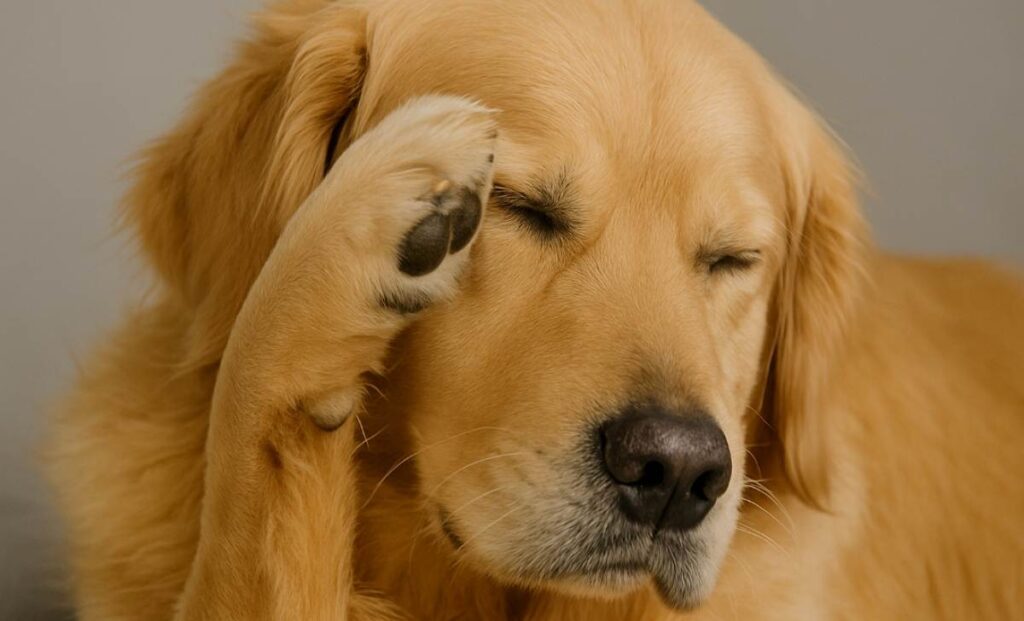
Dogs can’t talk, but they do communicate. One of the most important things a pet owner must learn is how to recognize signs of pain in dogs. Ignoring the signs can lead to serious health issues, and early detection often leads to faster recovery and lower vet bills.
Here are the top 10 signs your dog might be in pain, how to spot them, and what actions to take.
1. Limping or Difficulty Moving
If your dog suddenly starts limping, favoring one leg, or struggling to get up, it’s often a sign that something is wrong. Dogs rarely fake pain; when they limp, it usually means they are experiencing joint, bone, or muscle discomfort.
Sometimes the cause is simple, like stepping on a sharp stone, but it can also signal something more serious, such as arthritis, ligament damage, or hip dysplasia. In older dogs, limping is often one of the first signs of degenerative joint disease.
Common Causes of Limping in Dogs
- Injuries or Sprains – Active dogs often twist their legs during play or long walks.
- Arthritis – Older dogs may suffer from inflammation in the joints, leading to stiffness and pain.
- Hip or Elbow Dysplasia – A genetic condition that causes abnormal joint development, common in large breeds.
- Paw Problems – Cuts, infections, or foreign objects like thorns or glass stuck in the paw pad.
- Ligament Tears – Especially in the knee (cranial cruciate ligament injuries are very common).
When to Worry About Limping
Not all limping needs emergency care, but some warning signs mean you should see a vet immediately:
- Limping that doesn’t improve within 24–48 hours.
- Refusal to put weight on a leg.
- Swelling or heat around the joint.
- Whimpering or yelping when touched.
- Sudden limping after exercise or a fall.
What You Can Do at Home
- Rest First – Restrict running, jumping, or long walks. Short bathroom breaks only.
- Check the Paws – Look for cuts, thorns, broken nails, or swelling.
- Apply a Cold Compress – If swelling is visible, gently apply ice wrapped in a towel for 10–15 minutes.
- Monitor Your Dog Closely – Note when the limping started, whether it worsens at certain times (like mornings or after exercise), and if your dog avoids using the leg entirely.
1 Comment
That