
4. Stay Calm and Be Consistent
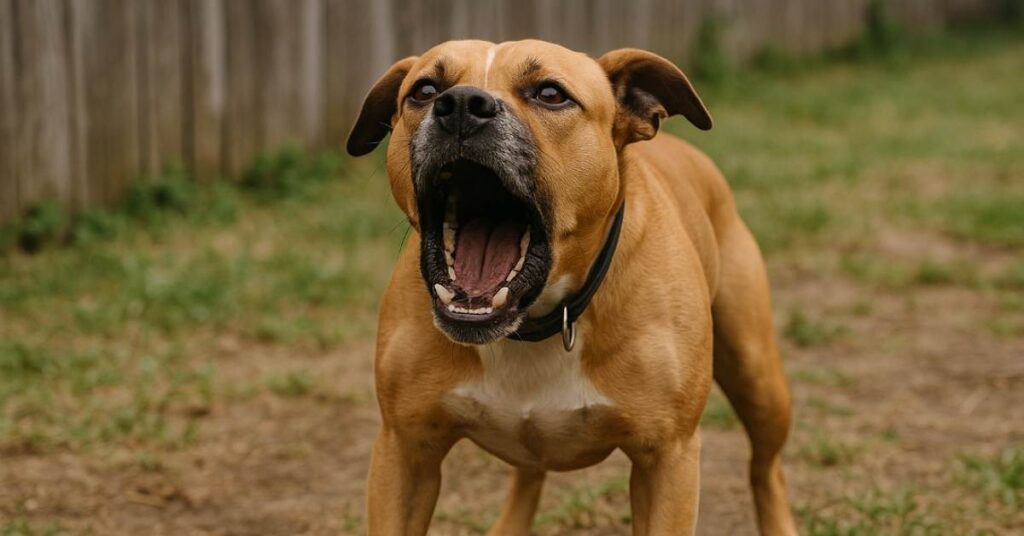
Many owners believe that yelling will make their dog listen. In reality, it does the opposite—shouting only makes your dog anxious, confused, and less willing to follow instructions. Dogs don’t understand human anger; they only pick up on tone, body language, and repetition.
To train effectively, you must stay calm and be consistent.
Why Calmness Matters
- Dogs mirror your energy: If you’re tense, they become tense too.
- Calm authority builds trust: Your dog sees you as a leader worth following.
- Anger breaks focus: Instead of learning, your dog fixates on avoiding your frustration.
Think of it this way: your dog isn’t being “bad” on purpose—they’re still learning. Patience speeds up results.
Why Consistency is the Secret Ingredient
Dogs thrive on routine. When commands or rules change, it sends mixed signals. Imagine teaching “sit” today but using “down” tomorrow—it’s confusing! Consistency teaches your dog what’s expected every time.
Rules to Follow:
- Firm but Calm Tone: Say commands with confidence, not anger.
- Same Word, Every Time: Always use one word for one behavior (e.g., “Sit” should always mean sit).
- Stable Rules: If you allow the couch today but ban it tomorrow, your dog won’t know what’s right.
Common Mistakes to Avoid
- Yelling or scolding harshly – This only makes your dog fearful, not obedient.
- Changing rules often – Mixed signals slow training progress.
- Inconsistent rewards – Rewarding a behavior sometimes but not always confuses your dog.
Pro Tip: Dogs are creatures of habit. The more consistent you are with your tone, commands, and rules, the faster they learn—and the less “stubborn” they’ll seem.
5. Reward Calm Behavior, Not Just Commands
Most owners focus only on rewarding their dog after giving a command. But here’s a powerful secret: your dog is learning all the time, even when you’re not actively training. If you only react when they make mistakes, you’re missing golden opportunities to reinforce good habits.
Instead, catch your dog being good.
Why This Works
- Encourages self-control: Dogs start offering calm behavior on their own because they know it pays off.
- Builds a peaceful home: Instead of rewarding hyperactivity, you’re rewarding relaxation.
- Reduces bad habits: When good behavior is reinforced, unwanted actions like barking, jumping, or pacing naturally decrease.
Real-Life Examples
- Quiet Sitting: If your dog sits calmly beside you without being asked, slip them a treat or praise.
- Lying Down Peacefully: Toss a small reward when they choose to rest quietly on their own.
- Ignoring Distractions: If they stay calm while the doorbell rings, mark and reward that behavior.
These “surprise rewards” teach your dog that good behavior = good things, even without a command.
How to Apply It Daily
- Keep treats nearby in different rooms so you can reward instantly.
- Watch for moments of calmness—don’t wait until your dog acts out.
- Use both treats and praise to strengthen the habit.
Pro Tip: For more on this positive approach, check out Fear Free Pets, a vet-led resource that promotes stress-free training and behavior management.
4 Comments
Pebis nasista
Hello
Very interesting
Very interesting